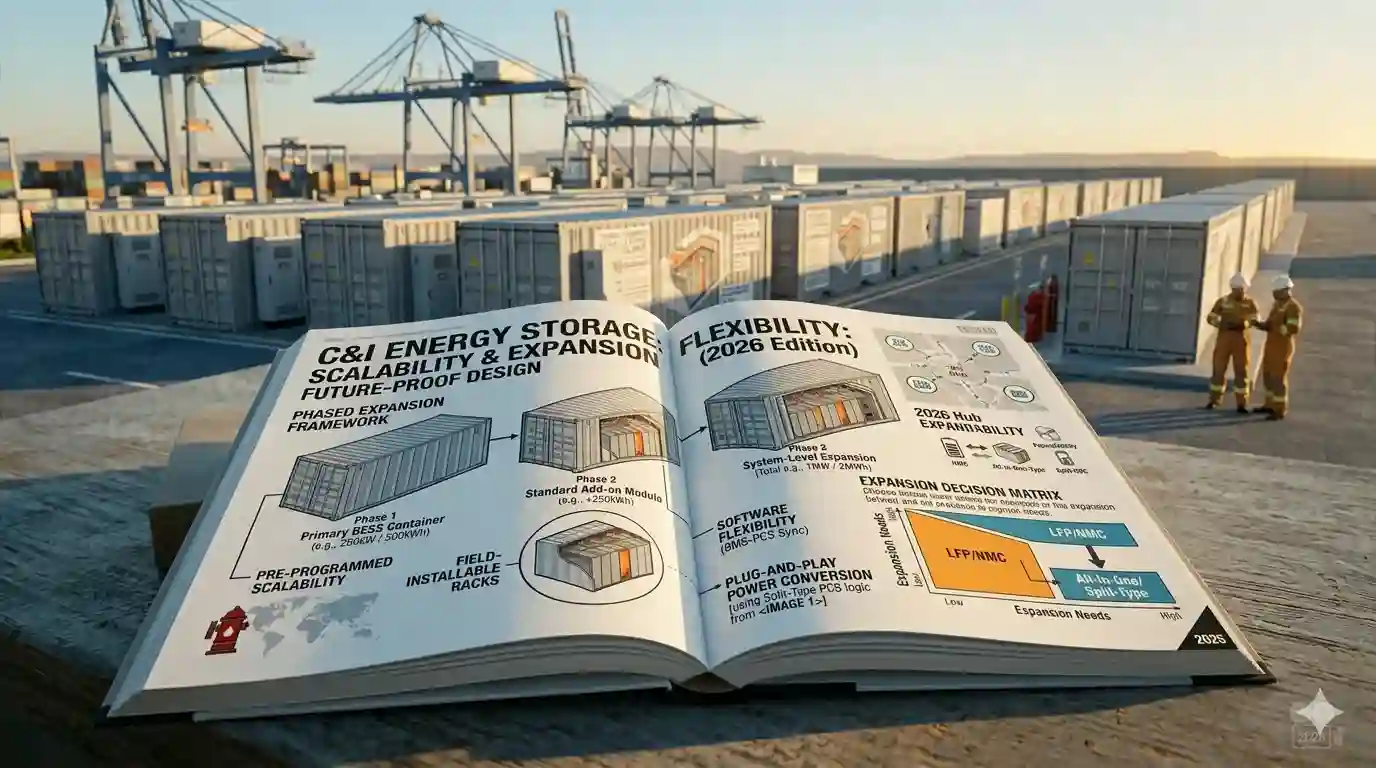
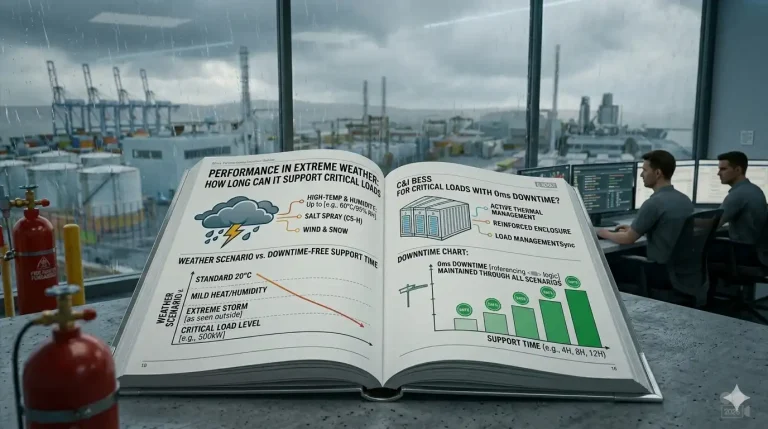
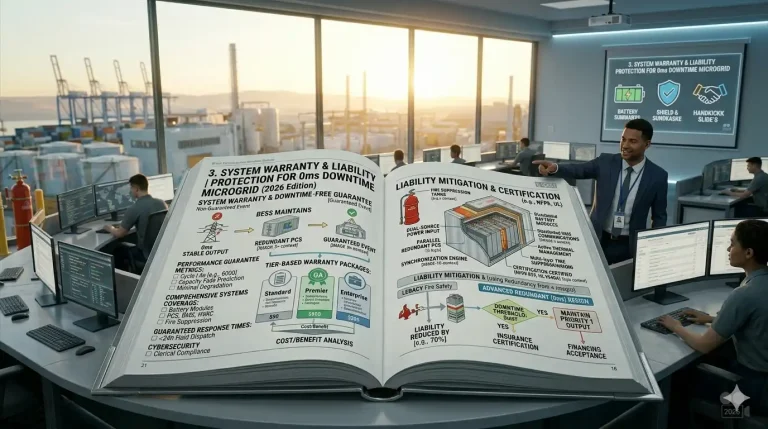
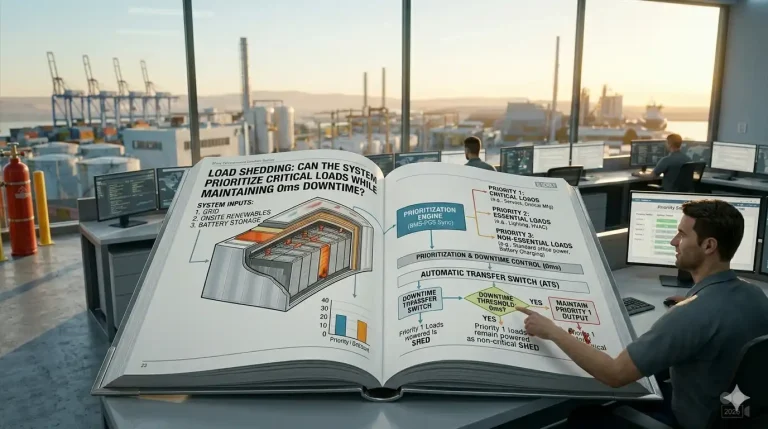
Scalability and flexibility for expansion ensure your C&I energy storage system adapts to growing business needs, load increases, and future energy opportunities. Inflexible systems become obsolete as your needs change, requiring costly full replacements. This guide covers modular design, incremental expansion capabilities, and critical technical requirements for future-proof systems. For a complete overview of all procurement considerations, explore our comprehensive guide: The Ultimate Guide to Avoiding Pitfalls in Commercial & Industrial Energy Storage Procurement: 15 Critical Questions & Solutions (2026 Edition).
Common Scalability Pitfalls
- Non-Modular Design: Integrated systems where capacity cannot be expanded without full replacement.
- Under-sized PCS: Inverters with no power redundancy, unable to support additional battery capacity.
- Incompatible BMS: Closed systems that cannot integrate new battery modules or updated components.
- Fixed Configuration: No ability to add power (PCS) or capacity (batteries) independently as needs change.
Key Scalability & Flexibility Features
1. Modular Architecture (Essential)
- Standardized Battery Modules: Plug-and-play design enabling incremental capacity additions.
- Distributed BMS: Each module has independent control; new modules integrate seamlessly.
- Stackable Design: Compact, expandable form factor minimizing space requirements.
2. Critical Technical Enablers
- PCS Power Redundancy: Minimum 1.2x power headroom to support future capacity expansion.
- Flexible Voltage Platform: Wide voltage range compatible with current and future battery modules.
- Software-Defined Architecture: Upgradable EMS/BMS supporting new features and expanded systems.
- Parallel Operation: Multiple systems operating as one, enabling unlimited incremental expansion.
3. Expansion Scenarios (2026 Best Practices)
- Capacity-Only Expansion: Add battery modules without PCS upgrades (50–200% capacity increase).
- Power+Capacity Expansion: Add both PCS and batteries for full capability growth.
- Multi-Stage Deployment: Phase installation to align with budget and load growth (3–5 stages).
- Distributed System Expansion: Add independent units that operate in parallel for massive scalability.
APEX Solution: Unlimited Scalability Architecture
- Full Modular Design: 100% stackable, plug-and-play modules from 50kWh to 100MWh+.
- 20% PCS Power Redundancy: Standard on all systems to support 120% capacity expansion.
- Backward Compatible: All future modules integrate seamlessly with existing systems.
- Phased Deployment Support: Expert design for multi-stage implementation with zero waste.
Procurement Checklist
- Verify true modular design supporting incremental module additions
- Confirm that PCS has a minimum 20% power redundancy for expansion
- Ensure BMS/EMS supports seamless integration of new components
- Check for backward compatibility with future product generations

 Byeditor