Address
Future Science Park, Nanhu, Hangzhou
Open Hours
Workday: 7AM - 7PM
Holiday: 10AM - 5PM
Address
Future Science Park, Nanhu, Hangzhou
Open Hours
Workday: 7AM - 7PM
Holiday: 10AM - 5PM

As the Iran war disrupts regional power grids, businesses face unprecedented energy vulnerability. The era of microgrid solutions has arrived.
 Byeditor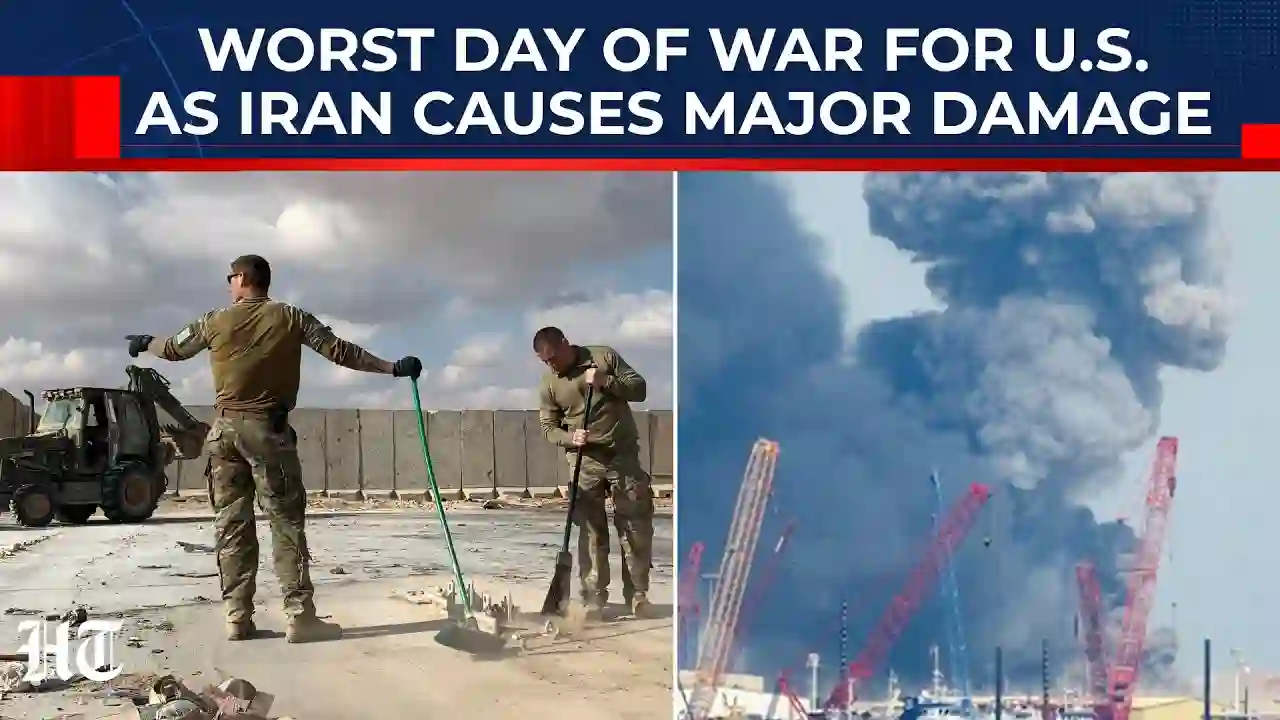
The night skies over Tehran and Tel Aviv have been lit not by stars, but by explosions. The escalating Iran war, with its potential to draw in broader international involvement, has sent shockwaves far beyond immediate military concerns. One of the most critical yet often overlooked consequences of modern warfare is the fragility of national energy infrastructure.
In an era where cyberattacks target power stations and precision strikes can cripple transmission lines, the traditional centralized grid becomes a strategic liability. For businesses operating across the Middle East—from manufacturing plants in the Gulf to construction camps in Iraq—the question is no longer if the grid will fail, but when. And more importantly, how they will survive when it does.
This is the reality of doing business in a conflict zone. But for those prepared, it is also a competitive advantage.
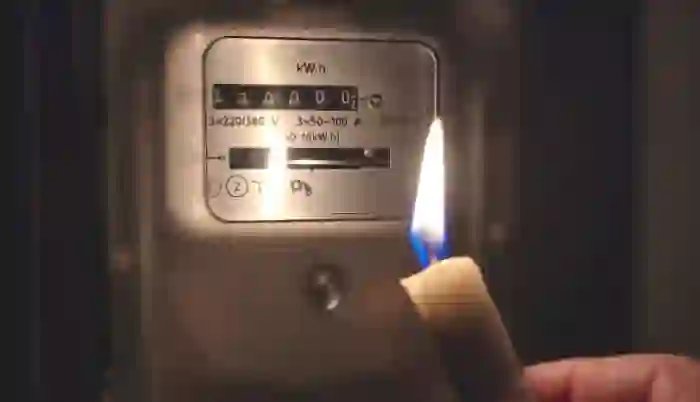
The recent conflict between Iran and Israel has exposed the energy sector’s profound vulnerability. When air raid sirens sound, the first systems to falter are often the power grids. Transmission lines are easy targets, and the cascading failure of a single substation can plunge entire cities into darkness.
In Iraq, a nation that has endured four decades of war, the cumulative impact on energy infrastructure has been devastating. Academic research reveals that during the 1990-1991 Gulf War, shelling resulted in the loss of 75% of the country’s 9,300 MW installed capacity, leaving a mere 2,300 MW intact. Today, daily power outages remain a grim reality for Iraqi citizens and businesses.
This history serves as a stark warning for the entire region. When conflict escalates, energy dependence on a vulnerable national grid becomes an existential business risk. The diesel generator, long considered a reliable backup, reveals its fatal flaw: it requires a constant supply of fuel. And in a war zone, fuel convoys are slow, expensive, and prime targets.
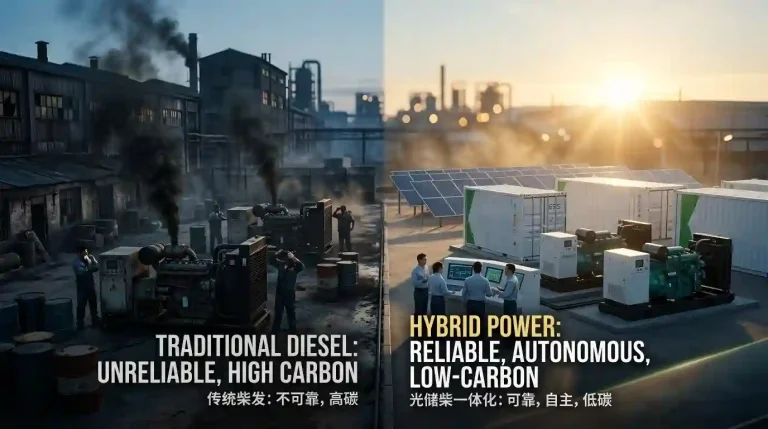
When the main grid fails, businesses instinctively turn to diesel generators. But this “solution” creates a new set of problems, especially during prolonged conflict.
The Logistics Nightmare
Diesel generators are only as reliable as their fuel supply. During the Iran-Iraq war and in subsequent conflicts, fuel imports have been repeatedly disrupted. Iraq, despite sitting on the world’s fifth-largest crude oil reserves, depends on gas imports from Iran to fuel its power stations. This dependence placed it in a vulnerable position when gas payments were delayed or when Iranian domestic demand surged, leading to halted deliveries. For a business relying on diesel, a disrupted fuel supply chain means a dead production line.
The Cost Explosion
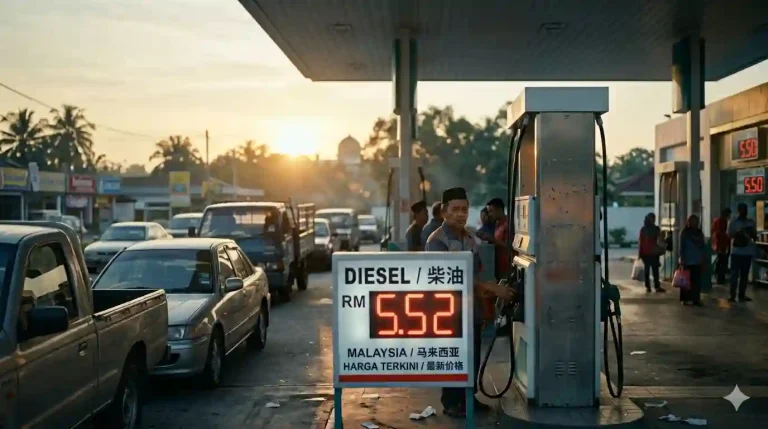
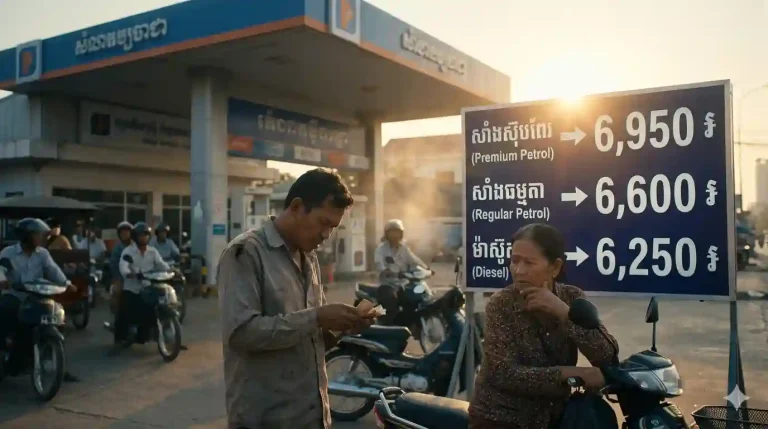
Even when fuel is available, its cost during conflict can become prohibitive. Neighborhood diesel generators (NDGs), a common stopgap in Iraq, are an “inefficient, costly fix”. The economic analysis is clear: the reliance on diesel is not sustainable. Research into hybrid microgrid systems (HMGS) that integrate solar PV and battery storage demonstrates a dramatically better alternative, with payback periods as low as 3.6 years in optimal scenarios.
The Emissions Burden
Beyond cost, the environmental impact is staggering. The Middle East’s average carbon emissions per kWh are 658g, far exceeding the global average of 480g. Running diesel generators 24/7 during a grid outage not only burns cash but also destroys any pretense of corporate sustainability.
The alternative to grid dependence and diesel vulnerability is the PV-Storage-Diesel hybrid microgrid. This is not merely a backup system; it is a self-sufficient, intelligent energy ecosystem that can operate indefinitely, independent of the host nation’s grid.
How It Works
A modern microgrid integrates three core components:
Real-World Validation
The viability of this approach is not theoretical. In Kuwait, Camp Arifjan—a major U.S. Army installation—has deployed a first-of-its-kind microgrid that integrates solar PV, a large BESSBESS (Battery Energy Storage System) is a sophisticated tech, and backup power plants. The system’s primary goal is to “enhance operational resilience” by “reducing dependence on the host nation’s grid, which can sometimes be inconsistent and subject to outages”. The result is mission-critical operations that continue uninterrupted, regardless of external circumstances.
In Iraq, we have successfully delivered an MW-scale PV-storage-diesel microgrid project for a camp. The system has achieved independent, stable load operation, with the diesel generator automatically and seamlessly switching in when needed. Crucially, it creates a “green energy closed loop” of cost reduction, carbon reduction, and supply guarantee.
For the private sector, JinkoSolar deployed a 250kW/645kWh liquid-cooled microgrid for a remote Middle Eastern farm. By integrating PV, storage, and diesel, the system slashed generator runtime from 24 hours a day to just 1.5 hours, cutting diesel consumption by an astonishing 93%.
Investing in a microgrid is not just about surviving a conflict; it is a strategic financial decision with compelling returns.
1. Quantifiable Savings
2. The Economic Payback
Academic research confirms the economics. A study on optimized hybrid microgrids in Iraq found that a grid-connected system leveraging solar PV and battery storage is the “most economically viable solution,” achieving payback periods of up to 3.6 years in the best case. This is not a long-term gamble; it is a short-term investment with a rapid return.
3. The “Energy-as-a-Service” Model
Innovative business models are emerging to lower the barrier to entry. In Israel, some startups offer “Energy as a Service,” deploying containerized storage stations that can be monitored and managed via satellite. Crucially, these systems can automatically switch to off-grid mode to avoid cyberattacks, and their blockchain-based ledgers ensure tamper-proof energy transactions.
4. Resilience as a Competitive Advantage
When your competitors’ factories are dark, and yours is running at full capacity, you win. For companies with long supply chain lead times or contractual penalties for non-delivery, the ability to guarantee production through a grid outage is an invaluable competitive edge.
The crisis is accelerating a structural shift. The Middle East microgrid market was valued at approximately $6.67 billion in 2024 and is projected to reach $16.00 billion by 2033, growing at a CAGR of 10.11%.
This growth is driven by clear national strategies. Saudi Vision 2030, the UAE’s Energy Strategy 2050, and Oman’s Vision 2040 are all pouring investment into decentralized energy systems to enhance security and integrate renewables. In Oman, the Industrial & Oil & Gas segment is the dominant driver, with operators like Petroleum Development Oman adopting utility-scale solar-plus-storage to reduce fuel costs and emissions.
For international businesses, this presents a dual opportunity. First, to protect their own operations by deploying microgrids. Second, to participate in the massive build-out of resilient energy infrastructure across the region.
The conflict between Iran and Israel is a tragic reminder that in the modern world, energy security cannot be taken for granted. The traditional grid is vulnerable. Diesel dependence is a costly, dangerous trap.
The path forward lies in energy independence. PV-storage-diesel microgrids, proven in military installations, remote camps, and commercial farms across the Middle East, offer a reliable, cost-effective, and sustainable solution. They provide the ultimate strategic asset for any business: the power to keep operating, no matter what happens beyond your fence line.
Is your business prepared for the next blackout?
At Apex Ultimate, we specialize in designing and delivering turnkey PV-storage-diesel microgrid solutions tailored to the unique challenges of the Middle East. Contact us today for a free energy resilience consultation and discover how we can help you take control of your energy future.