Address
Future Science Park, Nanhu, Hangzhou
Open Hours
Workday: 7AM - 7PM
Holiday: 10AM - 5PM
Address
Future Science Park, Nanhu, Hangzhou
Open Hours
Workday: 7AM - 7PM
Holiday: 10AM - 5PM

Learn how APEXUL’s Solar-Storage-Generator Microgrid eliminates single point of failure risk with redundant components, ensuring 0ms Downtime for industrial operations.
 Byeditor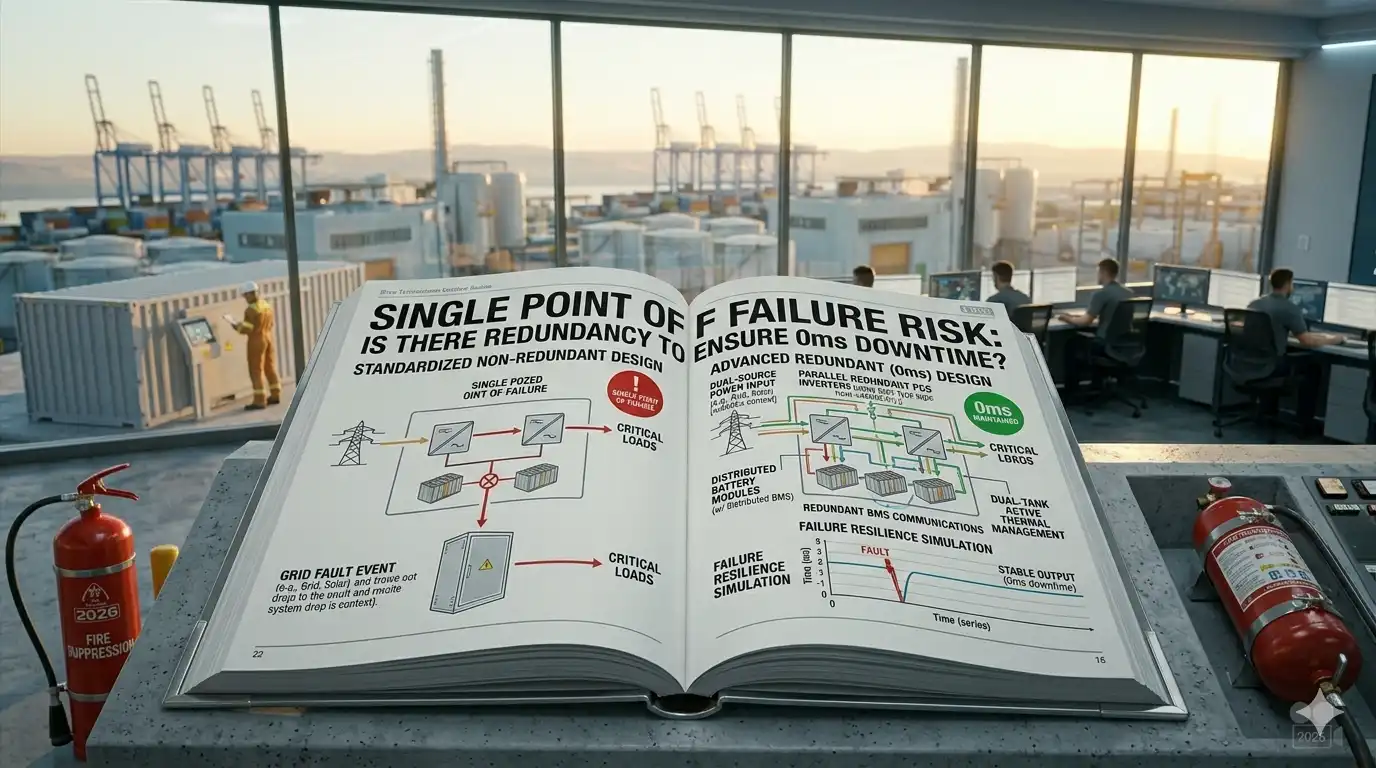
A single point of failure—any component that, if it fails, causes the entire system to shut down—can break the 0ms Downtime guarantee and compromise Industrial Power Assurance. For critical facilities like data centers, hospitals, and BESSBESS (Battery Energy Storage System) is a sophisticated technology that captures for Factories, eliminating single points of failure is non-negotiable. APEXUL’s Solar-Storage-Generator Microgrid is designed with redundant components and backup paths to ensure no single failure disrupts power delivery, maintaining 0ms Downtime even when components fail. In this guide, we explain our redundancy design, how it eliminates single points of failure, and why it’s critical for Weak Grid Energy Solutions and critical industrial operations.
Traditional power systems (e.g., standalone diesel generators, single UPSEssential Power Protection for Critical Industrial Infrastructure Definition A U units) often have single points of failure: a faulty generator engine, a failed battery, or a broken transfer switch can cause complete downtime. For example, A standalone diesel generator with a single engine will shut down if the engine fails, leaving the facility without power. A single UPSEssential Power Protection for Critical Industrial Infrastructure Definition A U battery bank failure can cause a power interruption, breaking the 0ms Downtime guarantee. For facilities in Weak Grid Energy Solutions areas, where grid power is already unreliable, a single point of failure can lead to extended downtime, costly equipment damage, and lost revenue. APEXUL’s microgrid eliminates this risk with built-in redundancy.
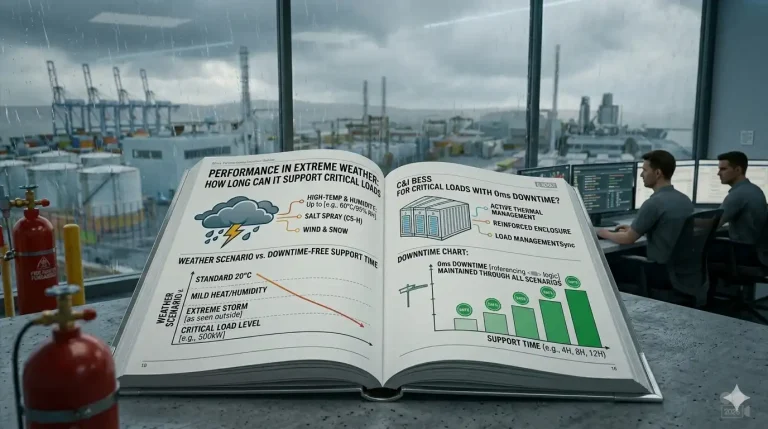
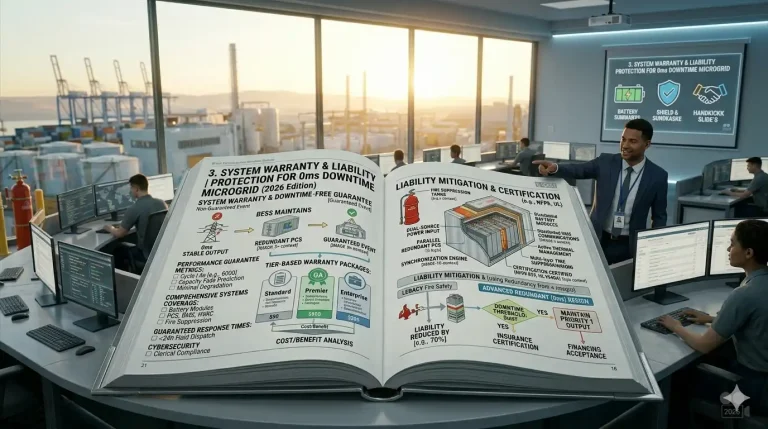
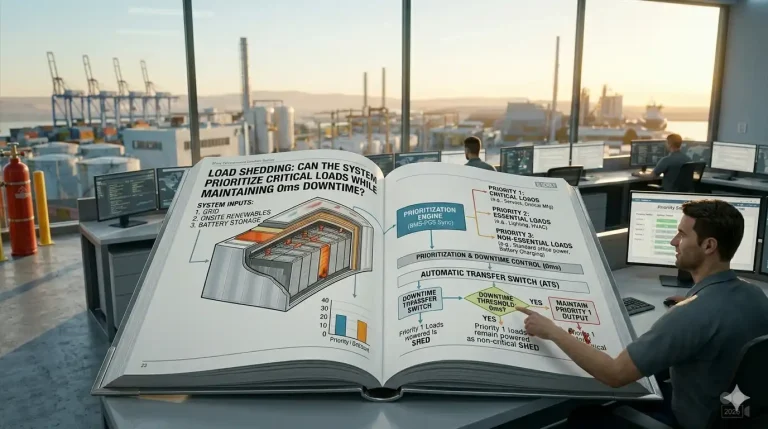
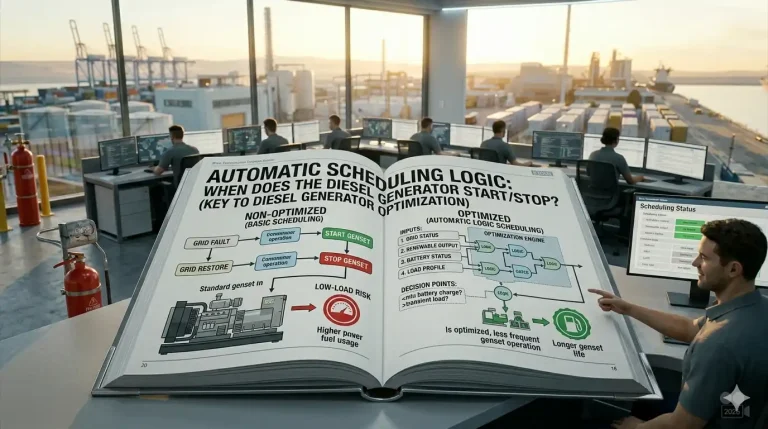
Our APEXULApex Ultimate is a global energy solution provider specializing in BESS, Hybrid Microgrid incorporates redundancy across all critical components, ensuring no single failure disrupts 0ms Downtime. Here’s how we design for redundancy, tailored for BESSBESS (Battery Energy Storage System) is a sophisticated technology that captures for Factories and critical operations: Redundant Power Sources: The system uses three energy sources—solar, BESSBESS (Battery Energy Storage System) is a sophisticated technology that captures for Factories, and a diesel generator—each serving as a backup for the others. If one source fails (e.g., solar panels are damaged in a storm), the other two take over instantly with 0ms Downtime. For example, if the diesel generator fails, the BESSBESS (Battery Energy Storage System) is a sophisticated technology that captures and solar power maintain critical loads until the generator is repaired.Redundant BESSBESS (Battery Energy Storage System) is a sophisticated technology that captures Modules: The BESSBESS (Battery Energy Storage System) is a sophisticated technology that captures for Factories is divided into multiple independent modules. If one module fails, the remaining modules continue to provide power, ensuring the BESSBESS (Battery Energy Storage System) is a sophisticated technology that captures can still deliver 0ms switching. This eliminates the battery bank as a single point of failure. For example, a 500kWh BESSBESS (Battery Energy Storage System) is a sophisticated technology that captures with 5 modules (100kWh each) can still deliver 400kWh of power if one module fails.Redundant STS and PCS Units: The system includes backup Static Transfer Switches (STS) and Power Conversion Systems (PCS). If the primary STS fails, the backup STS activates instantly, maintaining 0ms Downtime. Similarly, redundant PCS units ensure power conversion continues even if one unit malfunctions—critical for voltage stability and Industrial Power Assurance.Redundant Control Systems: The EMS has a backup controller that takes over if the primary controller fails. This ensures the system continues to monitor loads, schedule the diesel generator (via Diesel Generator Optimization), and execute load shedding—all without interruption. Redundant Power Paths: The system is wired with duplicate power paths to critical loads. If one path is damaged (e.g., a wiring fault), the backup path activates instantly, ensuring no interruption to critical operations. Redundancy Testing and ValidationAPEXUL’s redundancy design is rigorously tested to ensure it delivers on the 0ms Downtime guarantee. Our testing process includes: Component Failure Simulation: We intentionally disable critical components (e.g., BESSBESS (Battery Energy Storage System) is a sophisticated technology that captures module, STS, generator) to test if the backup systems activate instantly with 0ms Downtime. Long-Term Reliability Testing: The system is run for 1,000+ hours with simulated component failures to ensure redundancy works consistently over time.Third-Party Verification: Independent labs verify that no single component failure causes downtime, confirming our redundancy design meets industrial standards forIndustrial Power Assurance.Real-World Redundancy Success: Data Center Case Study. A data center in a Weak Grid Energy Solutions area relied on APEXUL’s Solar-Storage-Generator Microgrid for Industrial Power Assurance. During a routine test, the primary STS failed—but the backup STS activated instantly, maintaining 0ms downtime for critical server loads. Key results: No data loss or server downtime occurred, preventing $250,000+ in lost revenue. The primary STS was repaired while the system continued to operate normally, with no impact on operations. Redundant BESSBESS (Battery Energy Storage System) is a sophisticated technology that captures modules ensured the system maintained power even when one module was taken offline for maintenance. Key Benefits of APEXUL’s Redundancy Design: Eliminates single points of failure, ensuring 0ms Downtime even when components fail.Enhances system reliability, critical for BESSBESS (Battery Energy Storage System) is a sophisticated technology that captures for Factories and critical facilities. Reduces maintenance downtime—components can be repaired or replaced without interrupting operations. Meets industry standards for Industrial Power Assurance (e.g., ISO 9001, IEEE 1547).Provides peace of mind for facilities in Weak Grid Energy Solutions areas, where reliability is paramount.ConclusionAPEXUL’s Solar-Storage-Generator Microgrid is designed with comprehensive redundancy to eliminate single points of failure, ensuring 0ms Downtime and reliable Industrial Power Assurance. From redundant power sources and BESSBESS (Battery Energy Storage System) is a sophisticated technology that captures modules to backup STS and control systems, every critical component has a backup—so even if one part fails, your operations continue uninterrupted. For BESSBESS (Battery Energy Storage System) is a sophisticated technology that captures for Factories, data centers, and facilities in Weak Grid Energy Solutions areas, this redundancy is the foundation of long-term reliability and peace of mind.
Return to the main guide: Ultimate Guide to Industrial Power Assurance: 0ms Downtime | APEXUL