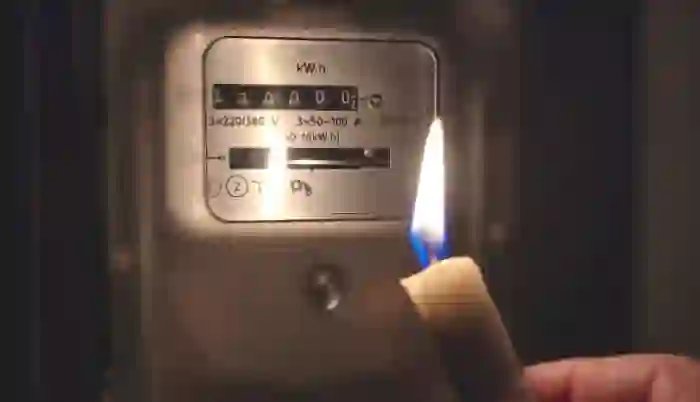
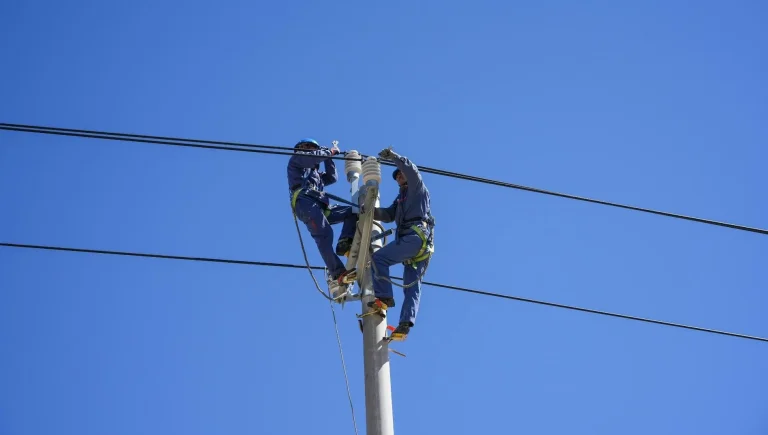
Imagine this: Your production floor falls silent. Machines halt mid-cycle, sensitive electronics flicker off, and your delivery clock starts ticking toward a penalty. For factories in regions with unstable grids, this isn’t just a nightmare scenario—it’s a frequent and costly reality.
A single unexpected outage can cost tens of thousands per hour in lost production, damaged goods, and equipment stress. But the real question isn’t if it will happen again; it’s how you can build a system that makes your factory immune to grid failures.
The True Cost of Unstable Power
The impact of frequent power outages extends far beyond the immediate blackout. It’s a multi-headed problem eroding your bottom line:
- Production & Revenue Loss: Every minute of downtime is lost output. For continuous processes (e.g., chemical, plastics, food processing), a brief outage can mean scrapping an entire batch and hours of restart time.
- Equipment Damage & Lifespan: Sudden power cuts and surges are the enemy of motors, CNC machines, and PLCs. This leads to premature wear, costly repairs, and unplanned capital expenditure.
- Supply Chain & Reputation Risks: Consistently missed deadlines damage hard-earned customer relationships and can violate stringent supply chain contracts, risking your market position.
Why Traditional Backup Solutions Fall Short
Most factories rely on one of two traditional options, each with significant flaws:
- Diesel Generators: The classic backup. However, they have a critical lag (30+ seconds to start and stabilize), produce high fuel and maintenance costs, create noise/pollution, and depend on a volatile fuel supply. They’re a costly and reactive fix, not a proactive solution.
- Industrial UPS Systems: Provide seamless, millisecond-level protection for critical loads like servers or control rooms. But, they are prohibitively expensive to scale for entire production lines and only provide power for minutes to hours—not a solution for prolonged outages.
These are silos of power, not integrated systems. They address the symptom (no power) but not the underlying disease (unreliable, expensive electricity).
The Modern Solution: An Integrated Solar-Storage-Generator Microgrid
The most reliable and cost-effective answer is a smartly integrated hybrid system that combines Solar PV, Battery Energy Storage (BESS), and a Diesel Generator into a single, automated microgrid. This isn’t just backup power; it’s intelligent energy resilience.
Here’s how each component works in harmony:
- Battery Storage (BESS): The Instant Shield. This is the heart of the solution. A BESS provides seamless, millisecond-level power the moment the grid fails, ensuring zero interruption to operations. It acts as a “shock absorber” for your factory’s sensitive electrical system.
- Solar PV: The Fuel Saver. Your rooftop or yard becomes a power plant. Solar panels generate clean, free electricity during the day, dramatically reducing your reliance on the grid and diesel, thereby lowering your operational costs and carbon footprint.
- Diesel Generator: The Strategic Reserve. In this system, the generator’s role is optimized. It only starts after the batteries are engaged, ensuring a smooth transition. It then runs only as needed to recharge the batteries during a prolonged outage, operating at its most efficient load, which reduces fuel use and maintenance by up to 70%.
The Brains of the Operation: Intelligent Energy Management
The magic lies in the Energy Management System (EMS) software. This smart controller continuously analyzes grid stability, factory load, solar production, and battery status. It makes autonomous, real-time decisions to:
- Prioritize solar power and stored battery energy.
- Seamlessly switch between power sources without human intervention.
- Implement “peak shaving” – using batteries to avoid drawing expensive power during utility peak rate hours, actively reducing your electricity bills even when the grid is stable.
Implementation & ROI: Building Your Factory’s Energy Resilience
Transitioning to a microgrid is a strategic investment, not just an expense. The path is clear:
- Energy Audit & Design: Experts analyze your load profile, outage history, and site conditions to design a perfectly sized, optimized system.
- Proven Technology Integration: Using industry-standard, high-quality components for solar, storage, and control ensures long-term reliability.
- Clear Financial Return: The business case is strong. Most systems achieve a return on investment (ROI) in 3-5 years through a combination of avoided outage losses, reduced diesel fuel consumption, and lower electricity bills from peak shaving and solar generation. After the payback period, the system delivers decades of free solar energy and peace of mind.
Conclusion: From Vulnerability to Control
The question evolves from “What do we do when the power goes out?” to “How do we ensure our power never goes out—and costs less?”
An integrated solar-storage-generator microgrid transforms your energy infrastructure from a passive utility into an active, strategic asset. It delivers uninterrupted production, predictable operating costs, and enhanced sustainability.
Ready to stop worrying about the next outage and start building your factory’s energy independence?

 Byadmin