Address
Future Science Park, Nanhu, Hangzhou
Open Hours
Workday: 7AM - 7PM
Holiday: 10AM - 5PM
Address
Future Science Park, Nanhu, Hangzhou
Open Hours
Workday: 7AM - 7PM
Holiday: 10AM - 5PM

Industrial and commercial energy storage relies on battery lifespan, cycle life, and warranties for reliability and cost efficiency. This guide uses visual comparisons to help decision-makers evaluate and select the right system.
 Byeditor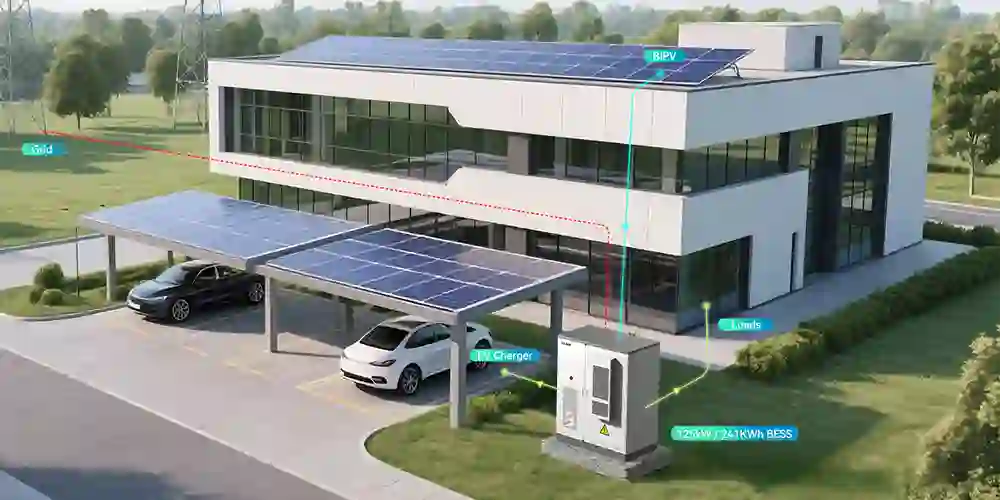
Industrial energy storage systems (ESS) are significant investments. Their lifespan and cycle life determine how long the system can reliably operate and how frequently it can be charged and discharged without significant performance degradation.
Key considerations include:
Data source: Project-specific system design and battery manufacturer specifications.
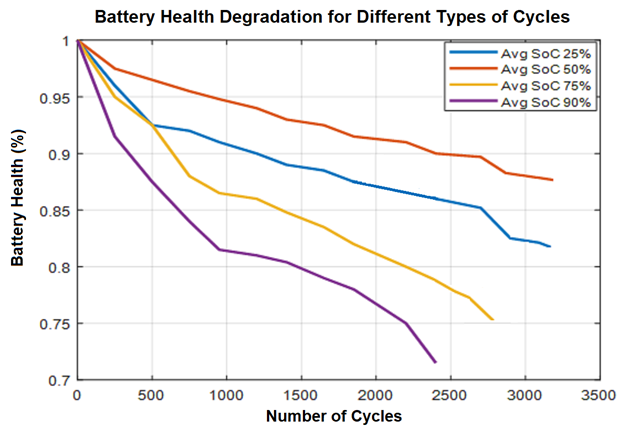
Cycle life is the number of complete charge/discharge cycles a battery can undergo before its capacity drops below a defined threshold (often 80% of original capacity).
Factors affecting cycle life:
Visual Table Suggestion: Cycle Life Comparison
| Battery Type | Typical Cycle Life Range | Suitable Industrial Use |
|---|---|---|
| Lithium-ion | High | Fast-response ESS, daily peak shaving |
| LFP (Lithium Iron Phosphate) | Very High | Long-life ESS, frequent cycling |
| Lead-acid | Moderate | Emergency backup, low-frequency cycling |
Data source: Manufacturer specifications and industry reviews.
Battery lifespan refers to the total expected operational period of the ESS under normal operating conditions. Lifespan can differ from cycle life, as it also accounts for calendar aging and environmental factors.
Factors impacting lifespan:
A robust warranty is critical to mitigate operational risk. Key elements to consider:
Visual Table Suggestion: Warranty Comparison Example
| Manufacturer | Warranty Period | Capacity Guarantee | Notes |
|---|---|---|---|
| Brand A | 10 years | ≥ 80% | Standard industrial ESS warranty |
| Brand B | 8 years | ≥ 75% | Includes maintenance support |
| Brand C | 5 years | ≥ 80% | Focused on emergency backup |
Data source: Manufacturer specifications and warranty documents.
Visual Diagram Suggestion: Flowchart “ESS Selection Decision Tree”
Keywords for diagram search: “energy storage selection flowchart”, “industrial battery decision tree”, “ESS selection diagram”
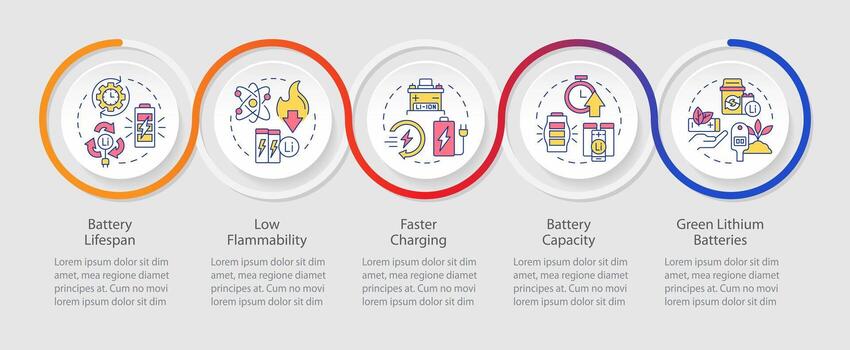
Industrial and commercial energy storage investments require careful evaluation of lifespan, cycle life, and warranty. By understanding these parameters, facility managers can select systems that meet operational needs, reduce risks, and ensure long-term reliability.
Note: Exact cycle life, lifespan, and warranty terms are project- and manufacturer-specific.
Data source: Project-specific engineering evaluation and manufacturer specifications.Knowledge