Address
Future Science Park, Nanhu, Hangzhou
Open Hours
Workday: 7AM - 7PM
Holiday: 10AM - 5PM
Address
Future Science Park, Nanhu, Hangzhou
Open Hours
Workday: 7AM - 7PM
Holiday: 10AM - 5PM

A UPS provides instant backup power during outages. Key types: Standby, Line-Interactive, and Online. Beyond single-device protection, modern energy strategies integrate UPS functionality into Solar+Storage systems for extended resilience and lower operational costs.
 Byeditor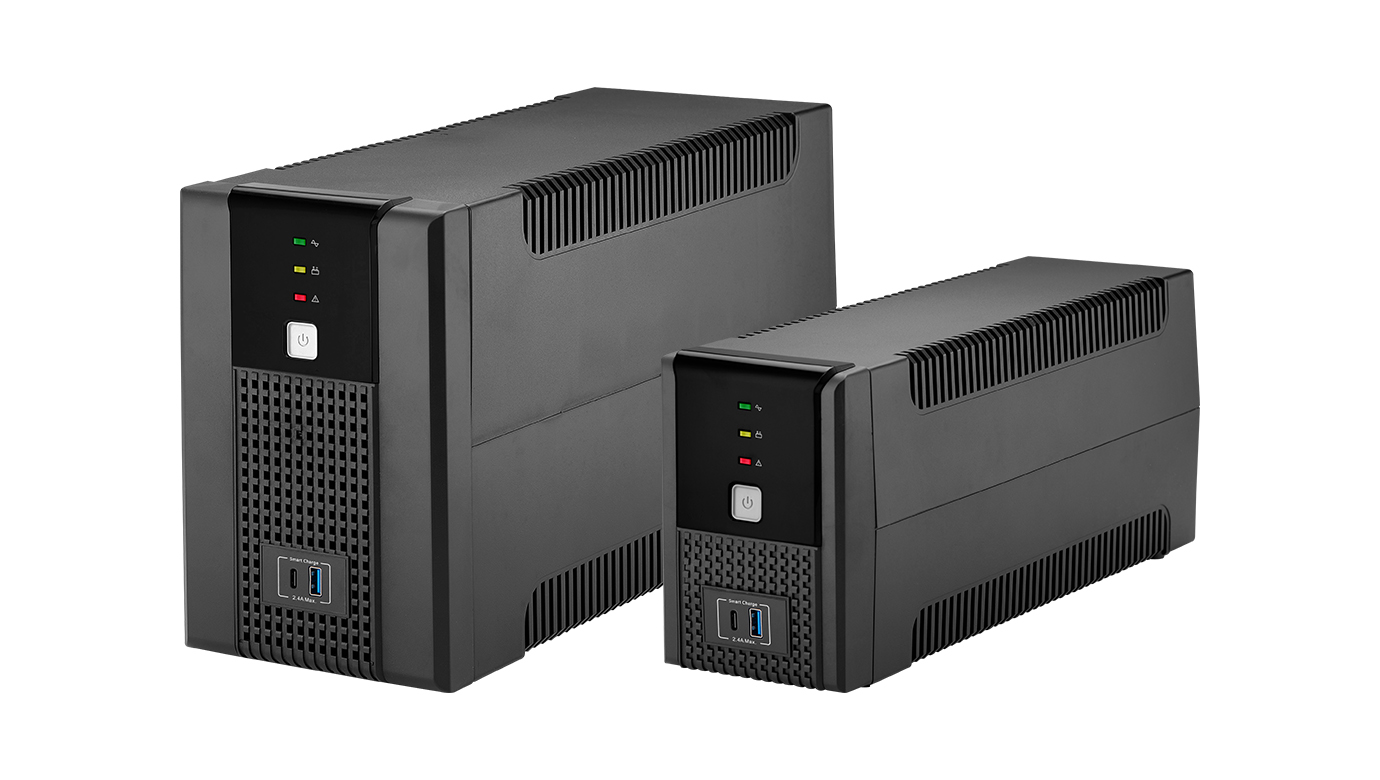
An Uninterruptible Power SupplyEssential Power Protection for Critical Industrial Infrastructure Definition A U (UPSEssential Power Protection for Critical Industrial Infrastructure Definition A U) is an electrical apparatus that provides emergency backup power to connected loads when the primary power source, typically the utility grid, fails or deviates beyond acceptable limits. More than just a battery backup, its core function is to ensure uninterrupted, clean, and stable power, protecting sensitive electronic equipment from data loss, hardware damage, and operational downtime caused by power disturbances.
At its essence, a UPSEssential Power Protection for Critical Industrial Infrastructure Definition A U sits between the main power source (the wall outlet) and the critical device it protects (like a computer, server, or medical scanner). Its definition encompasses three key objectives:
The internal operation and level of protection a UPSEssential Power Protection for Critical Industrial Infrastructure Definition A U provides are defined by its topology. Understanding these is key to the full definition.
| Topology | How It Works | Level of Protection | Typical Use Case |
|---|---|---|---|
| Standby / Offline UPSEssential Power Protection for Critical Industrial Infrastructure Definition A U | Normally passes utility power directly; switches to battery only upon failure. | Basic. Has a brief transfer gap (milliseconds). | Home PCs, consumer electronics. |
| Line-Interactive UPSEssential Power Protection for Critical Industrial Infrastructure Definition A U | Includes an automatic voltage regulator (AVR) to correct minor sags/surges without using battery. | Good. Better for areas with frequent voltage fluctuations. | Small business servers, networking gear, point-of-sale systems. |
| Online / Double-Conversion UPSEssential Power Protection for Critical Industrial Infrastructure Definition A U | Continuously converts AC power to DC (to charge batteries) and then back to clean AC. Power always flows through the batteries/inverter. | Excellent. Zero transfer time and complete isolation from grid anomalies. | Includes an automatic voltage regulator (AVR) to correct minor sags/surges without using the battery. |
The modern understanding of a UPSEssential Power Protection for Critical Industrial Infrastructure Definition A U definition extends beyond a simple “battery box.” It is a critical component of business continuity and risk management. In sectors like healthcare, finance, manufacturing, and IT, even a momentary power glitch can result in:
Therefore, the definition of a UPSEssential Power Protection for Critical Industrial Infrastructure Definition A U is intrinsically linked to protecting revenue, reputation, and physical assets.
While a traditional UPSEssential Power Protection for Critical Industrial Infrastructure Definition A U is indispensable for protecting specific loads, forward-thinking businesses are now looking at a broader power resilience strategy. For facilities facing unreliable grids, high energy costs, or the need for long-duration backup, a standalone UPSEssential Power Protection for Critical Industrial Infrastructure Definition A U can be a limited solution.
This is where the concept evolves into an Integrated Energy System:
In summary, the uninterruptible power supplyEssential Power Protection for Critical Industrial Infrastructure Definition A U definition centers on its role as a guardian of power quality and continuity. Selecting the right UPSEssential Power Protection for Critical Industrial Infrastructure Definition A U topology is crucial for matching the level of protection to your operational criticality.
However, for comprehensive operational and financial resilience, the ultimate solution may lie not just in a standalone device but in a holistically designed power system. We specialize in analyzing your specific risks and goals to recommend the optimal protection strategy—whether it’s the precise UPSEssential Power Protection for Critical Industrial Infrastructure Definition A U for your server room or a custom-designed hybrid microgrid for your entire facility.
Ready to define your strategy for uninterrupted power? Contact our power solutions specialists for a consultation today.